

The arithmetic of Israeli governance has always run through a single, unyielding constraint: the Knesset comprises 120 seats, and any viable government must command the confidence of at least 61 lawmakers. Because the state operates on a nationwide proportional representation system with a single nationwide electoral district, individual candidates do not run in local constituencies. Voters select closed party lists, and seats are distributed proportionally to parties that cross the 3.25% electoral threshold. In the country’s entire parliamentary history, no single party has ever captured an outright majority, making multi-party bargaining and coalition formation the defining engine of Israeli statecraft.
The October 27, 2026 legislative election puts this mechanism to its most severe test in decades. Arriving after unprecedented military conflict, acute regional instability, and deep domestic rifts over judicial overhauls and military draft exemptions, the ballot serves as a decisive referendum on Prime Minister Benjamin Netanyahu’s political survival. Yet in Israeli politics, crossing the finish line on election night rarely crowns the victor; what matters is who can stitch together 61 disparate votes once the ballots are counted.
Netanyahu’s Bloc and the Coalition Math
For Netanyahu—who seeks to cement his leadership through what would be his seventh governing cabinet across a record career—the path back to power relies on holding his established alliance intact.
Likud’s base of power has historically rested on two distinct pillars:
- Far-Right Nationalists: Factions led by figures such as Itamar Ben-Gvir (Otzma Yehudit) and Bezalel Smotrich (Religious Zionist Party), who advocate an uncompromising stance on national security and settlement expansion.
- Ultra-Orthodox (Haredi) Factions: Shas (representing Sephardi religious voters) and United Torah Judaism (representing Ashkenazi communities), whose historical focus centers on state subsidies and protecting draft exemptions for yeshiva students.
Pre-election polling indicates that Likud and its right-wing allies are hovering below the required 61-seat threshold. Even if the core bloc falls short, Netanyahu has repeatedly demonstrated an ability to peel off unaligned factions, court fringe parties that clear the 3.25% threshold, or exploit ideological fissures among his opponents to draw individual defectors across the aisle.
The Opposition’s Dilemma and Leadership Rivals
While anti-Netanyahu factions hold an aggregate lead across major surveys, assembling a coherent governing bloc is an equally fragile endeavor.
Leading contenders within the opposition include:
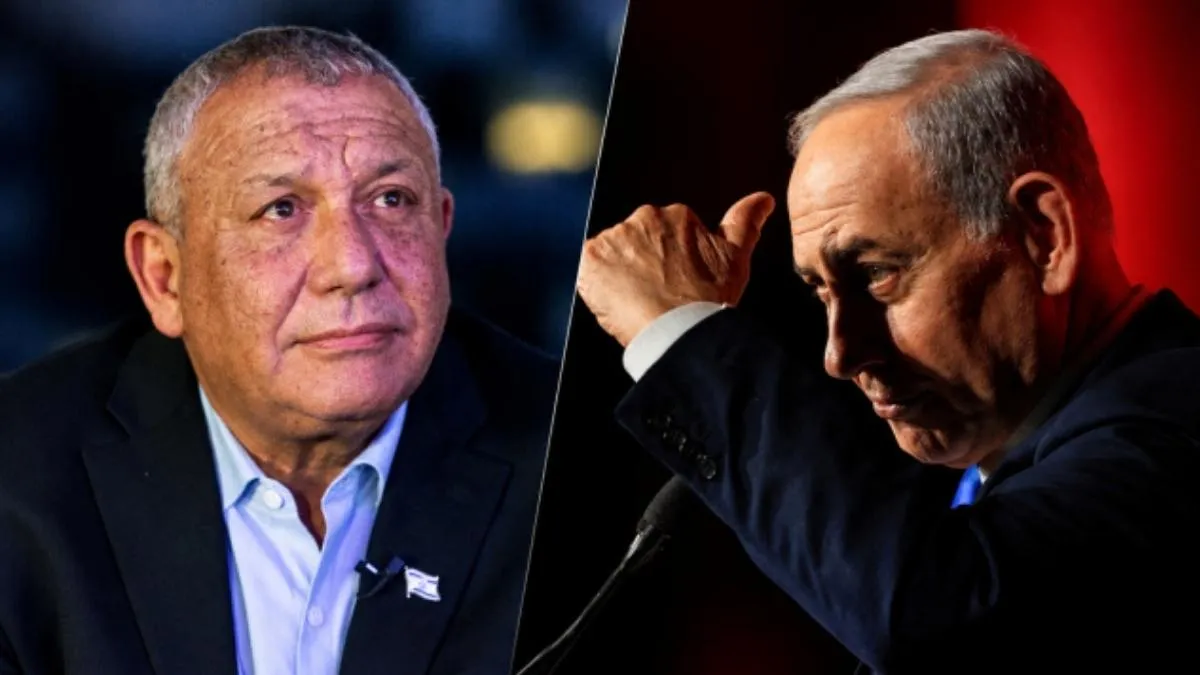
- Gadi Eisenkot: The former Israel Defense Forces Chief of Staff and head of the centrist Yashar list has campaigned heavily on security accountability, ending broad military exemptions, and restoring institutional norms.
- Naftali Bennett and Centrist Alliances: Former prime minister Naftali Bennett, alongside centrist figures like Yair Lapid, brings prior experience running the diverse “change government” of 2021–2022, pitching a pragmatic national agenda.
The opposition’s vulnerability lies in its sheer heterogeneity. The anti-Netanyahu camp spans secular right-wing hawks like Avigdor Lieberman, mainstream centrists, social-democratic reformers, and leftist factions. Agreeing to unseat Netanyahu is a powerful campaign rallying point, but translating that consensus into an agreed-upon prime minister, budget policy, and diplomatic posture presents immediate friction.
The Decisive Kingmakers
If neither the Netanyahu bloc nor the mainstream Zionist opposition reaches 61 seats alone, balance-of-power parties will dictate the next government’s fate.
- Arab-Led Lists: Ra’am, headed by Mansour Abbas, and the Joint List represent Palestinian citizens of Israel and control crucial parliamentary weight. While Abbas demonstrated in 2021 that an Arab party could join a ruling coalition to secure infrastructure, housing, and anti-crime funding, hardline members within the Jewish opposition continue to resist formal reliance on Arab parties.
- Haredi Realignments: While United Torah Judaism and Shas have long served as Netanyahu’s loyal partners, their primary objective remains preserving religious institutional autonomy. Should Netanyahu fail to assemble a majority, high-stakes negotiations could see Haredi leaders entertain conditional arrangements with moderate opposition figures willing to meet their community priorities.
Potential Post-Election Scenarios
The weeks following the vote will trigger formal consultations under the President of Israel, who tasks the lawmaker deemed most capable of assembling a majority with a 28-day mandate. Four primary trajectories emerge:
| Scenario | Governing Structure | Main Hurdles |
| Right-Wing Reconstitution | Netanyahu secures Likud + far-right + ultra-Orthodox plus threshold crossers. | Highly vulnerable to individual party vetoes and domestic friction. |
| Broad Opposition Coalition | Centrists, right-wing defectors, and left lists form a joint cabinet. | Deep ideological division on socio-religious matters and security. |
| National Unity / Rotation Deal | Rival camps agree to power-sharing with alternating prime ministers. | Extreme distrust; historically collapsed ahead of schedule. |
| Coalition Impasse & Snap Elections | No candidate secures 61 signatures; mandate expires. | Prolonged political paralysis with Netanyahu remaining caretaker premier. |
Israel’s 2026 election reaffirms that casting ballots is merely the prologue. Whether Benjamin Netanyahu secures an unprecedented seventh government or cedes authority to an opposing alliance depends entirely on the compromises made behind closed doors to claim that elusive sixty-first vote.